 Français
Osteopath for adults: back, neck and headaches in Montreal and Laval
The pains people consult us for
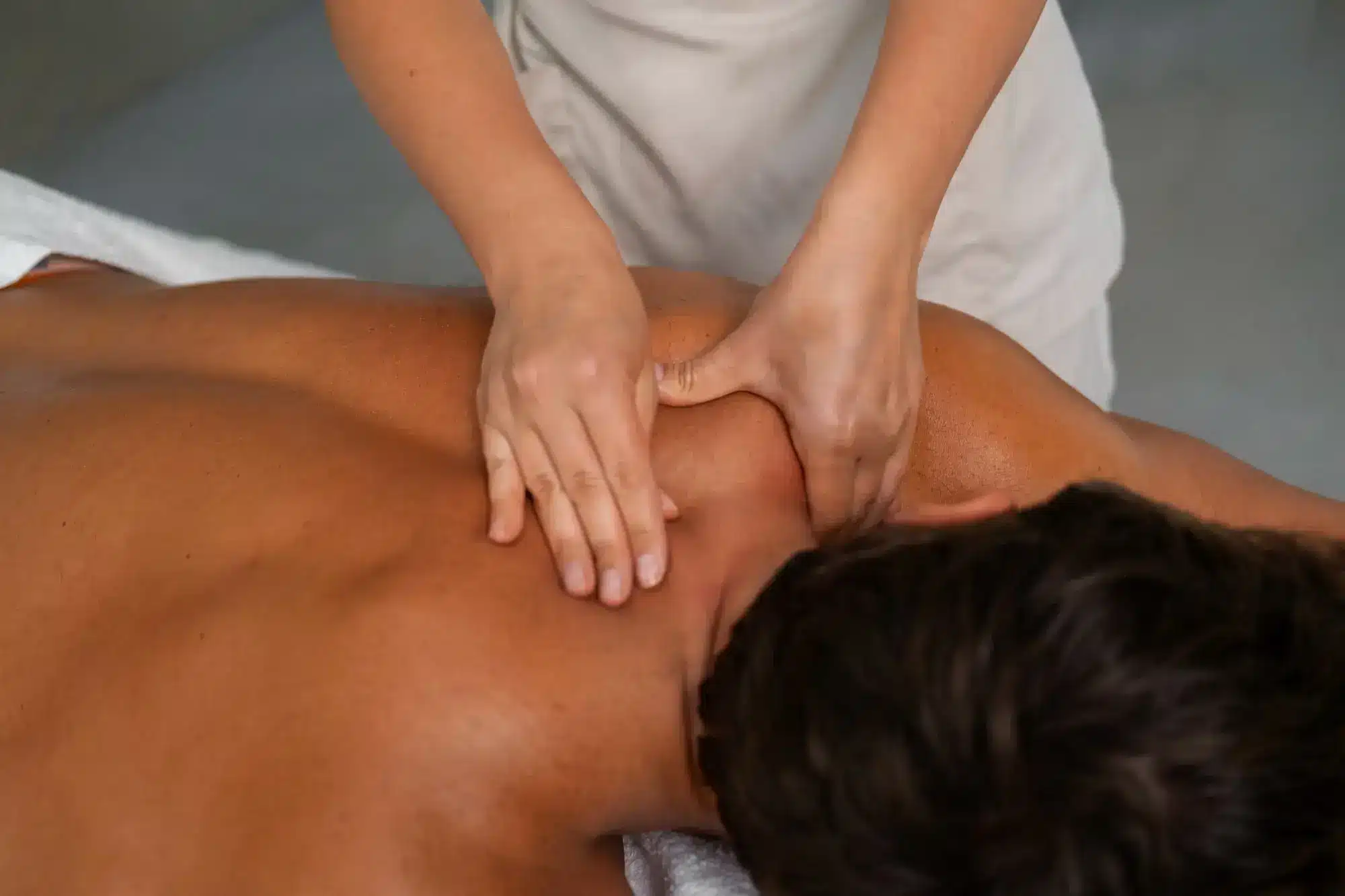
- Back and pelvis: sciatica, low back pain, herniated disc, scoliosis.
- Neck and shoulders: neck pain, stiff neck, Arnold’s neuralgia.
- Head and jaw: headaches, clicking jaw, vertigo, tinnitus.
- Joints: hip, knee, thumb and ankle.
- Stress and women’s health: stress management, women’s health.
Looking for the origin, not just the symptom
Your osteopath starts by listening to you: past accidents, posture, stress, habits. They then assess the mobility of your joints, muscles, fascia and organs through palpation. Sometimes the treatment focuses on an area away from the pain: for example, work on the diaphragm can help back pain. The techniques are gentle and gradual, and you leave with practical advice.
Osteopathy does not replace medical advice. Pain with fever, loss of strength or significant numbness requires seeing a doctor first.
What does an osteopathic treatment involve?
Osteopathic treatment is manual. After listening to you and examining you (posture, mobility, areas of tension), the osteopath applies gentle techniques to the joints, muscles and tissues. Each session lasts about 45 minutes and ends with advice to prolong the effects at home.
A 45-minute session, from assessment to advice
We listen
We assess and treat
We advise you
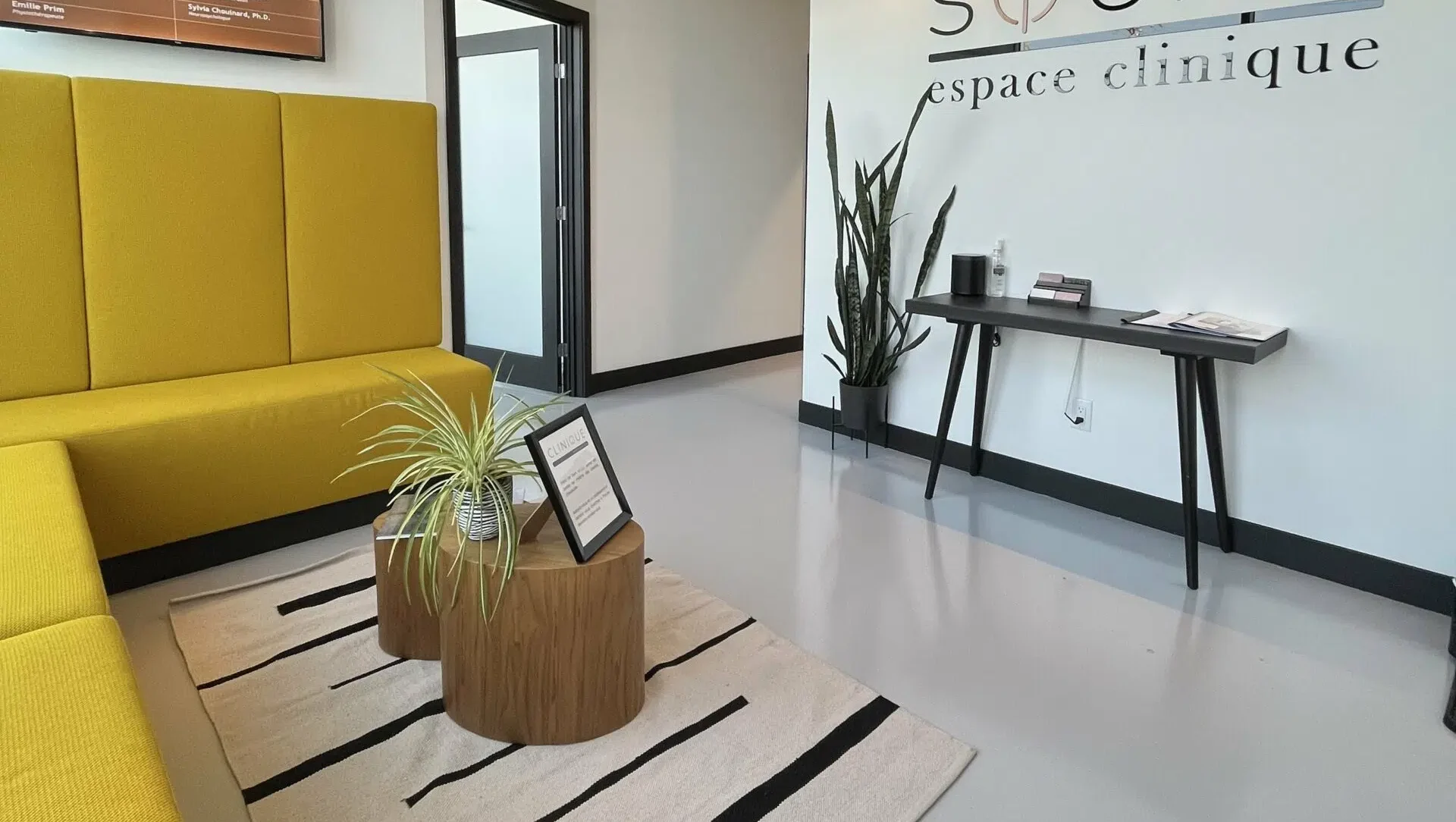
Two clinics to welcome you
Osteopathy for adults: your questions
People consult for back, neck, shoulder, hip or knee pain, headaches, a clicking jaw, and tension related to stress or posture. If the pain is recent, come early: treatment is often simpler. Pain with fever or loss of strength requires medical advice first.
It depends on your situation. For recent pain, one to three sessions are often enough. A long-standing problem takes more time. After a 45-minute consultation, your osteopath will suggest an appropriate follow-up plan, which you are free to follow or not.
No. The techniques are gentle and adapted to your comfort. You may feel tired or slightly sore in the following days. Read our article on pain after an osteopathy session. If unusual pain lasts more than a few days after the session, contact us or see your doctor.
An osteopath takes a whole-body view and looks for the origin of the problem, often away from the symptom. A physiotherapist focuses more on rehabilitating the injured area, often with exercises. The two approaches are complementary and can be combined depending on your situation. Your osteopath can work with your physiotherapist or your doctor if your situation calls for it.
If pain lasts, keeps coming back or limits your movement, a consultation can help find its origin. We have written a guide to knowing whether you need an osteopath. You can also call us at (579) 421-0351 to ask your question. Feel free to describe your situation and we will guide you to the most suitable care.
An insurance receipt is provided at every session: reimbursement depends on your insurance plan, group or individual. Check your osteopathy coverage before your appointment. An osteopathy session is $110, taxes included, at both clinics. Payment by credit card, debit card or Interac e-Transfer.
Osteopathy does not replace medical advice. If you have serious symptoms, see a doctor.