 Français
Osteopathy for pregnant women in Montreal and Laval
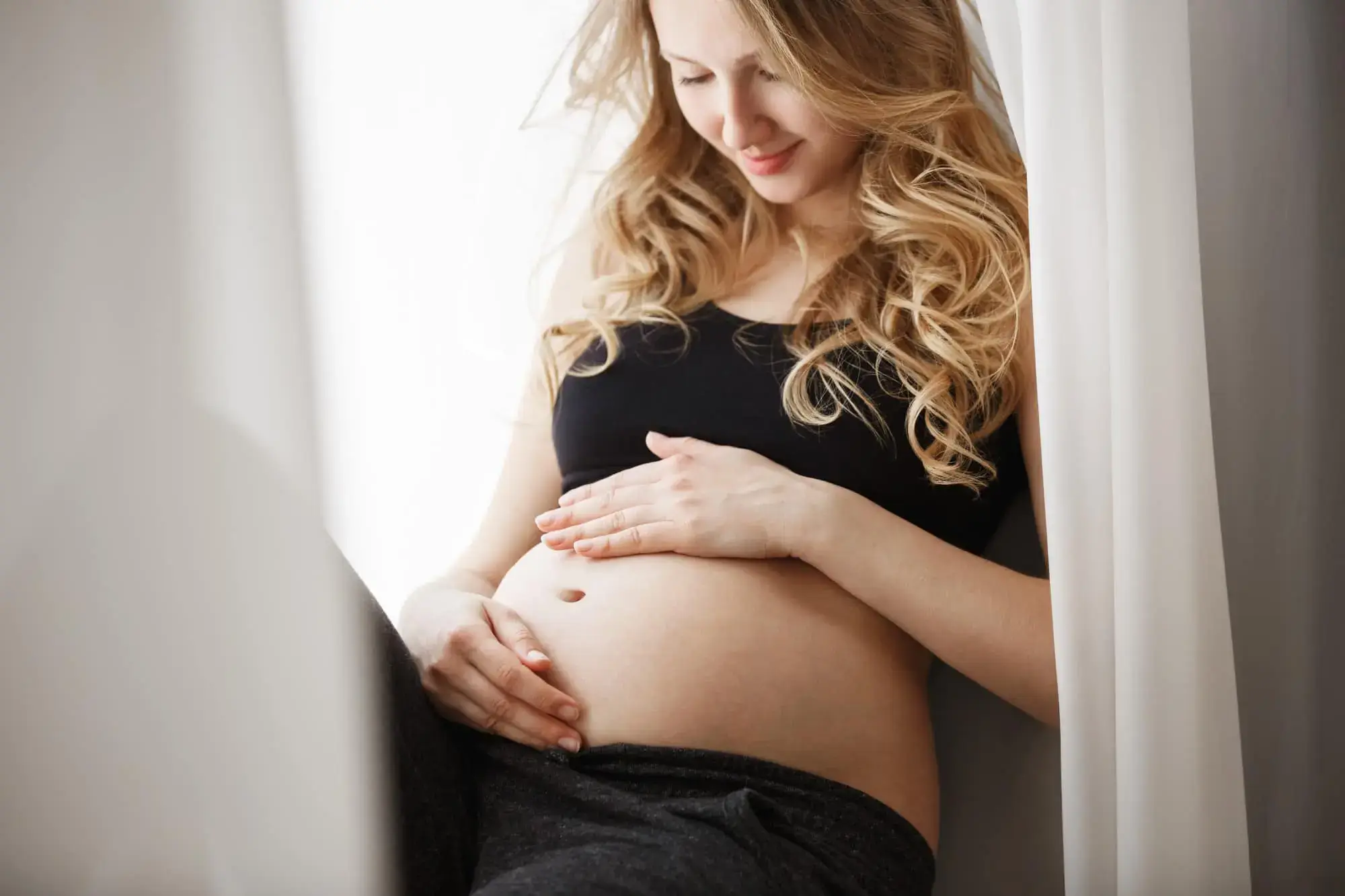
A changing body, care that adapts
- Relieve low back and pelvic pain, and sciatica in pregnancy.
- Release muscle and ligament tension, particularly in the lower back.
- Improve pelvic and spinal mobility.
- Support circulation (heavy legs) and digestive comfort, such as reflux during pregnancy.
Every consultation is personalized to your trimester and your needs. Several of our osteopaths are trained in perinatal care.
Is osteopathy safe during pregnancy?
Yes, when practiced by an osteopath trained in caring for pregnant women. At Synapsia, we use gentle, non-invasive manual techniques, with positions adapted to each trimester. Every session starts with a full assessment, and osteopathy complements your follow-up (doctor, midwife) and never replaces it. Bleeding, intense pain or fever require medical advice first.
What osteopathy can do for you
First trimester
Your belly isn’t showing yet, but your body is already working hard. Follow-up aims to ease early discomforts: fatigue, nervous tension, digestive discomfort, first low back or pelvic pain.
Second trimester
Your center of gravity shifts. Osteopathy supports ligament and pelvic pain, back tension, sciatica and heavy legs.
Third trimester
Late pregnancy calls for mobility in the pelvis and diaphragm. Treatment aims to relieve late-pregnancy pain and prepare the body for childbirth. After the birth, follow-up is possible for the mother, and for your baby.
Postpartum and perinatal osteopathy: after childbirth
After birth, the body takes time to regain its balance: low back pain, pelvic tension, neck and shoulder discomfort linked to baby care and breastfeeding. Postpartum osteopathy aims to relieve this tension with gentle techniques adapted to your condition and your pace.
After a C-section or in case of complications, follow your doctor’s advice first. We then adapt the session to your situation.
A 45-minute session, adapted to your pregnancy
We listen
We assess and treat
We advise you
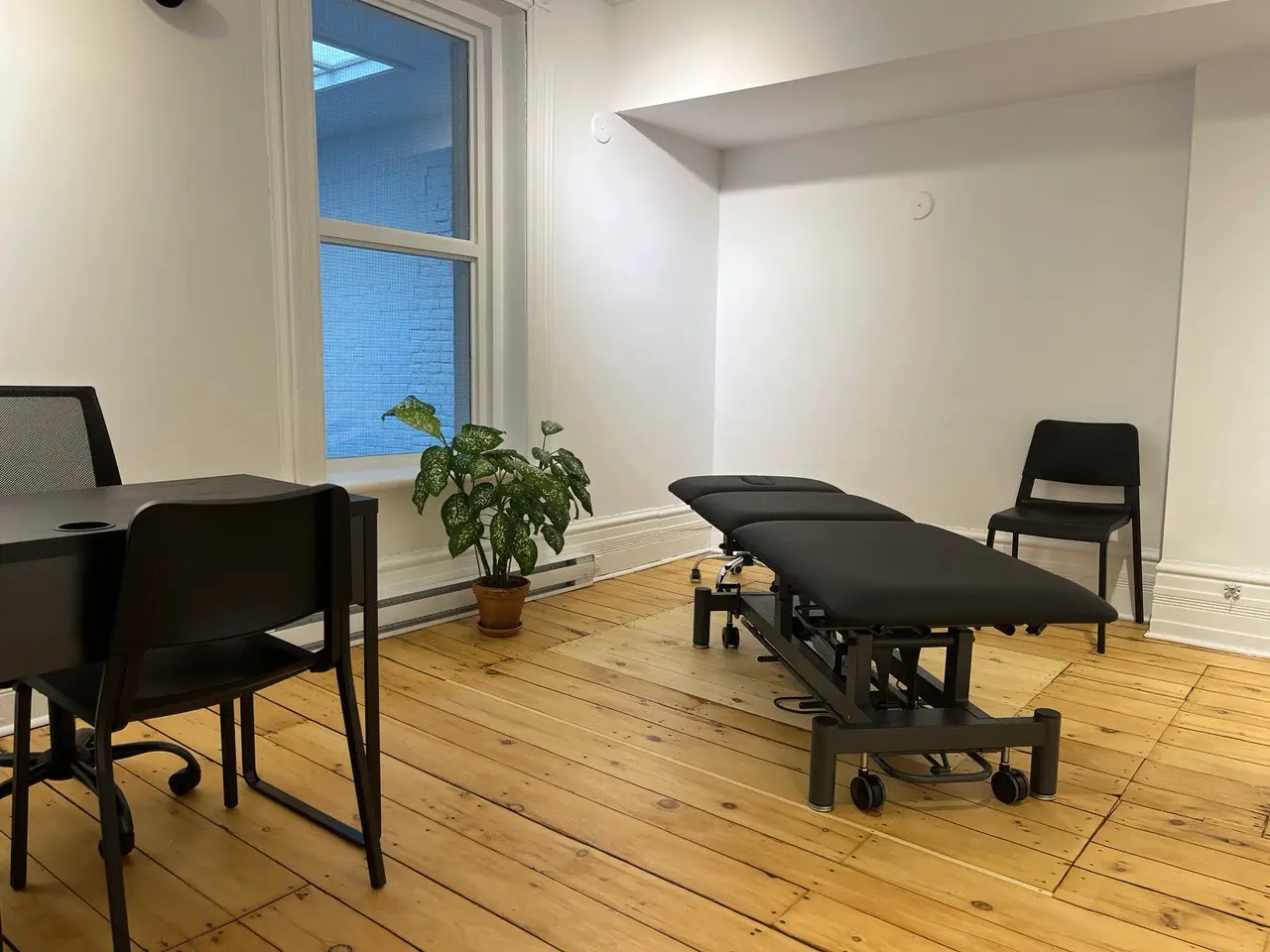
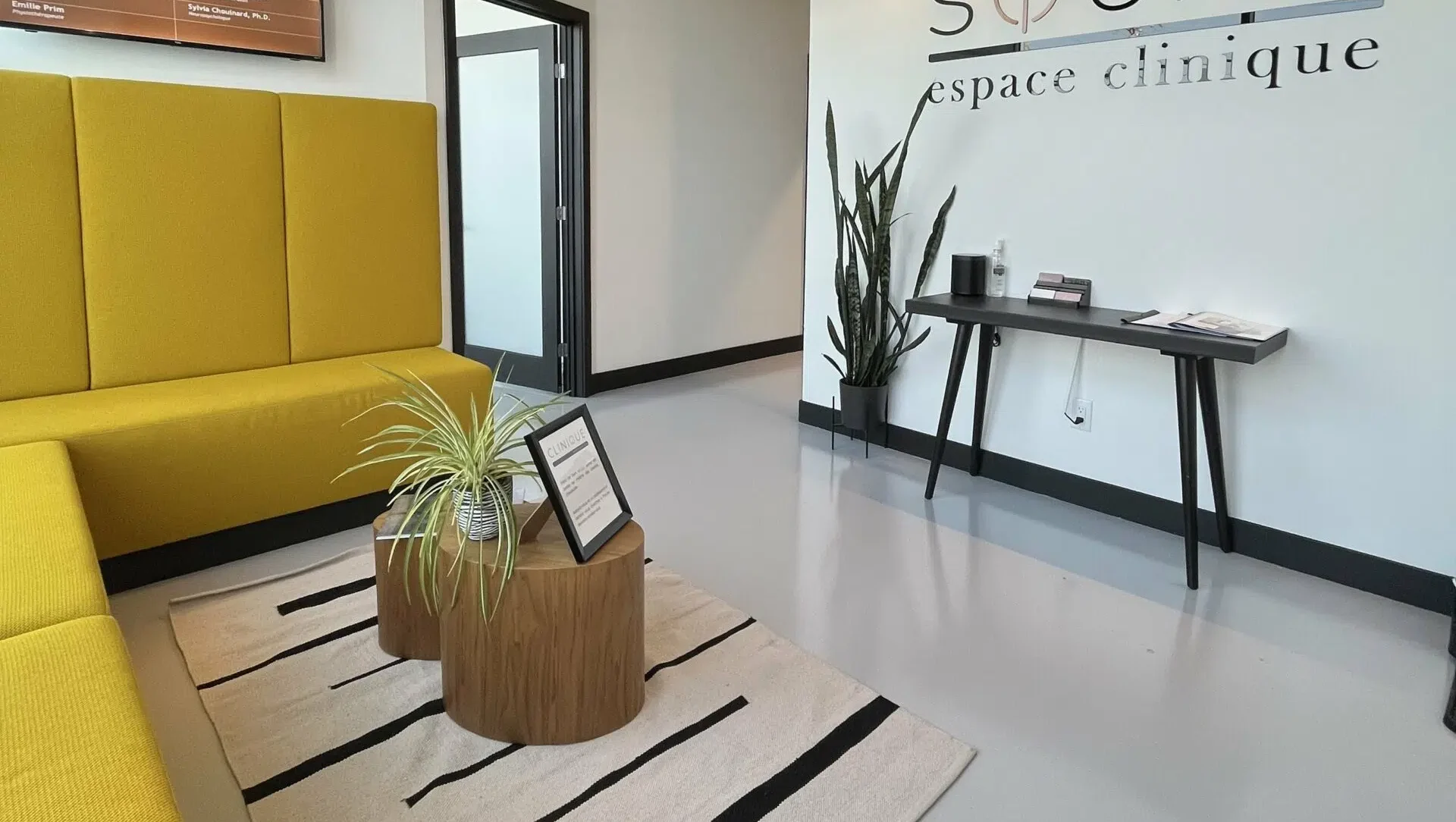
Two clinics to welcome you
To support you
Our osteopaths support pregnancy and the postpartum period.
To learn more: osteopathy and pregnancy.
After the birth, discover osteopathy for babies and infant colic. For acute pain, see the urgent osteopathy page.
Book an appointment online at the Montreal or Laval clinic.
Osteopathy and pregnancy: your questions
You can consult at any time during pregnancy, as soon as discomfort appears: low back pain, sciatica, pelvic tension, heavy legs or reflux. Some women also come for prevention in the second trimester, or late in pregnancy to prepare the pelvis. The osteopath adapts techniques and positions to your trimester.
The techniques are gentle, non-invasive and adapted to pregnancy. The session begins with a discussion and a full assessment. Osteopathy complements your medical follow-up without replacing it. In case of bleeding, intense pain, fever or contractions, see your doctor, your midwife or the emergency room first.
Sciatica is common when the pelvis and lower back change. The osteopath looks for the tension and loss of mobility that can irritate the nerve and releases them with gentle movements. Results vary. Read our article on sciatica during pregnancy.
Each consultation lasts about 45 minutes. We discuss your pregnancy, your pain and your history, then the osteopath examines you and treats with gentle manual techniques. You leave with personalized advice: positions, movements, daily habits. Follow-up is offered if your situation calls for it.
An insurance receipt is provided at every session: reimbursement depends on your insurance plan, group or individual. Check your osteopathy coverage before your appointment. An osteopathy session is $110, taxes included, at both clinics. Payment by credit card, debit card or Interac e-Transfer.
Yes. After childbirth, the body readjusts: pelvis, back, pelvic floor, tension related to breastfeeding and baby carrying. You can come alone or with your baby, who also benefits from an assessment. Wait for your doctor’s or midwife’s approval after a C-section or a complication.
Osteopathy does not replace medical advice. If you have serious symptoms, see a doctor.